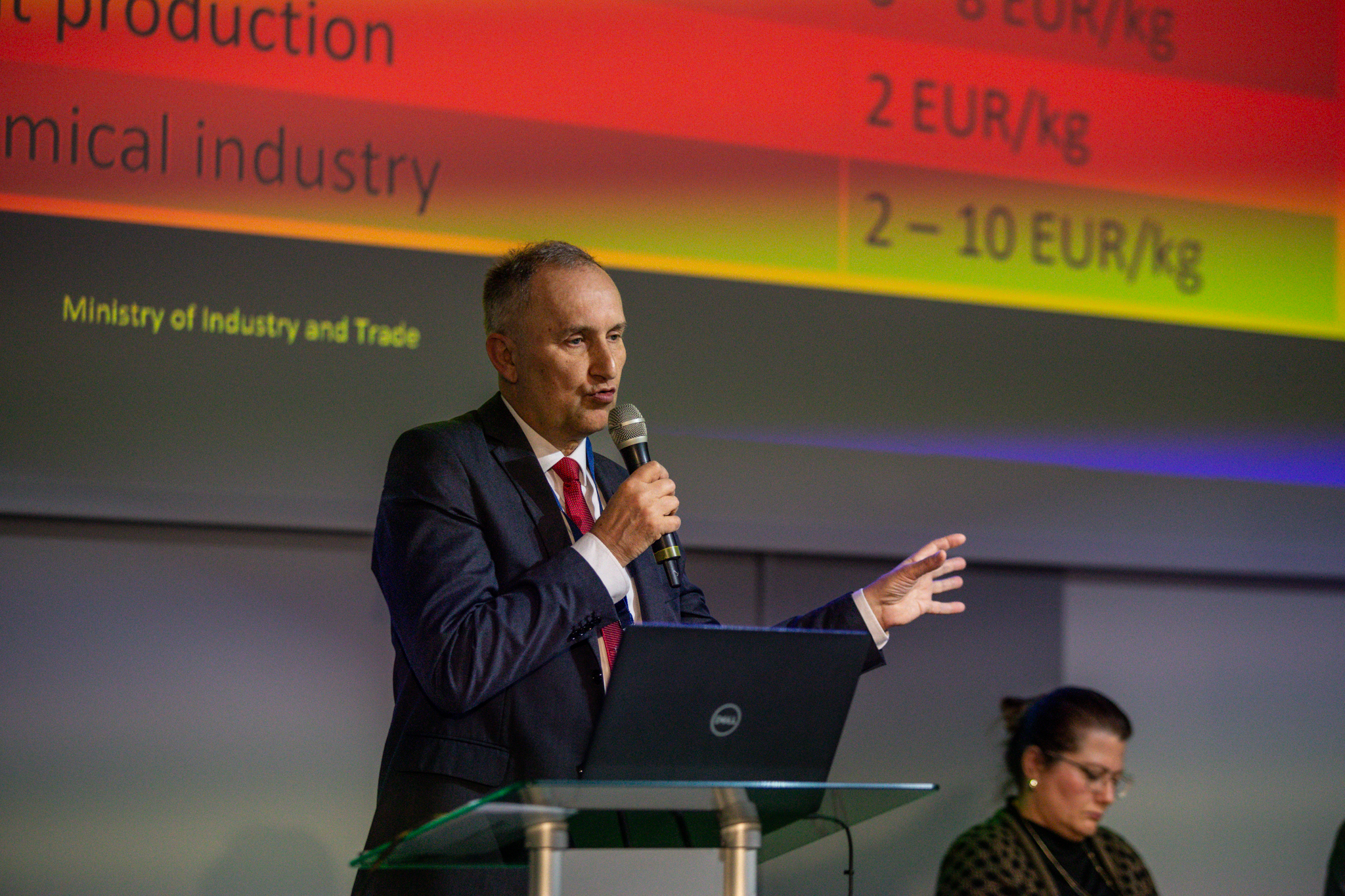
Petr Mervart
Ministry of Industry and Trade, Na Františku 32, 110 15 Praha 1, Czech republic
With presentation: Czech Hydrogen Strategy – Update 2024
Abstract: The Czech Hydrogen Strategy must be divided into three distinct stages to effectively achieve decarbonization goals. In the first phase, Local Islands, the focus will be on domestic production of hydrogen from renewable sources, as importing significant quantities of hydrogen from abroad will not be feasible by 2030. The second phase, Global Bridges, spanning from 2030 to 2045, will prioritize the import of renewable hydrogen from international sources, which will be considerably more cost-effective. These imports will leverage the gas transmission system, converted from natural gas infrastructure to hydrogen. Its high transport capacity will position the Czech Republic not only as a hydrogen importer but also as a key partner in its international transportation. In the final phase, New Technologies, starting after 2045, the strategy will shift back to focusing on domestic hydrogen production. This low-carbon and renewable hydrogen is expected to be even more affordable than imported alternatives. However, its production will rely on advanced technologies that are currently under development and testing.
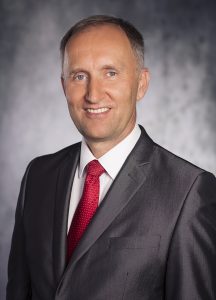
Petr Mervart is currently overseeing the development, evolution, and execution of the Czech Hydrogen Strategy within the Ministry of Industry and Trade. He has actively contributed to the formulation of a comprehensive study on decarbonizing the Czech industry. Before assuming his role at the ministry, he amassed a wealth of professional experience across multiple international organizations, primarily in the energy and IT sectors. His journey in the professional world commenced as a university teacher and research scientist at the Faculty of Mechanical Engineering at the Czech Technical University. Furthermore, he has actively engaged in university research endeavours in both Japan and Canada, broadening his global perspective on key industry-related matters.
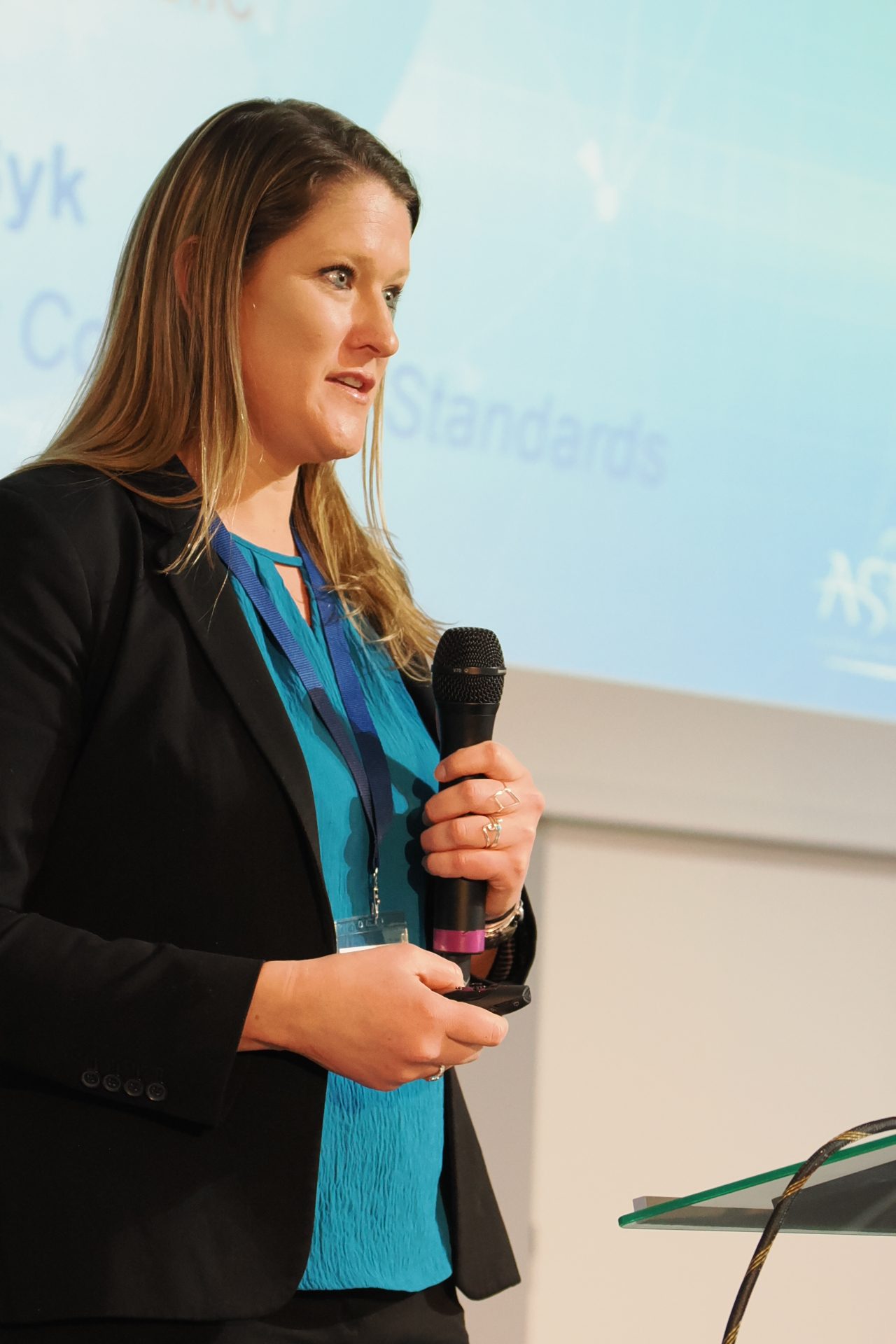
 Allyson Byk
Director, Pressure Technology Codes & Standards, ASME
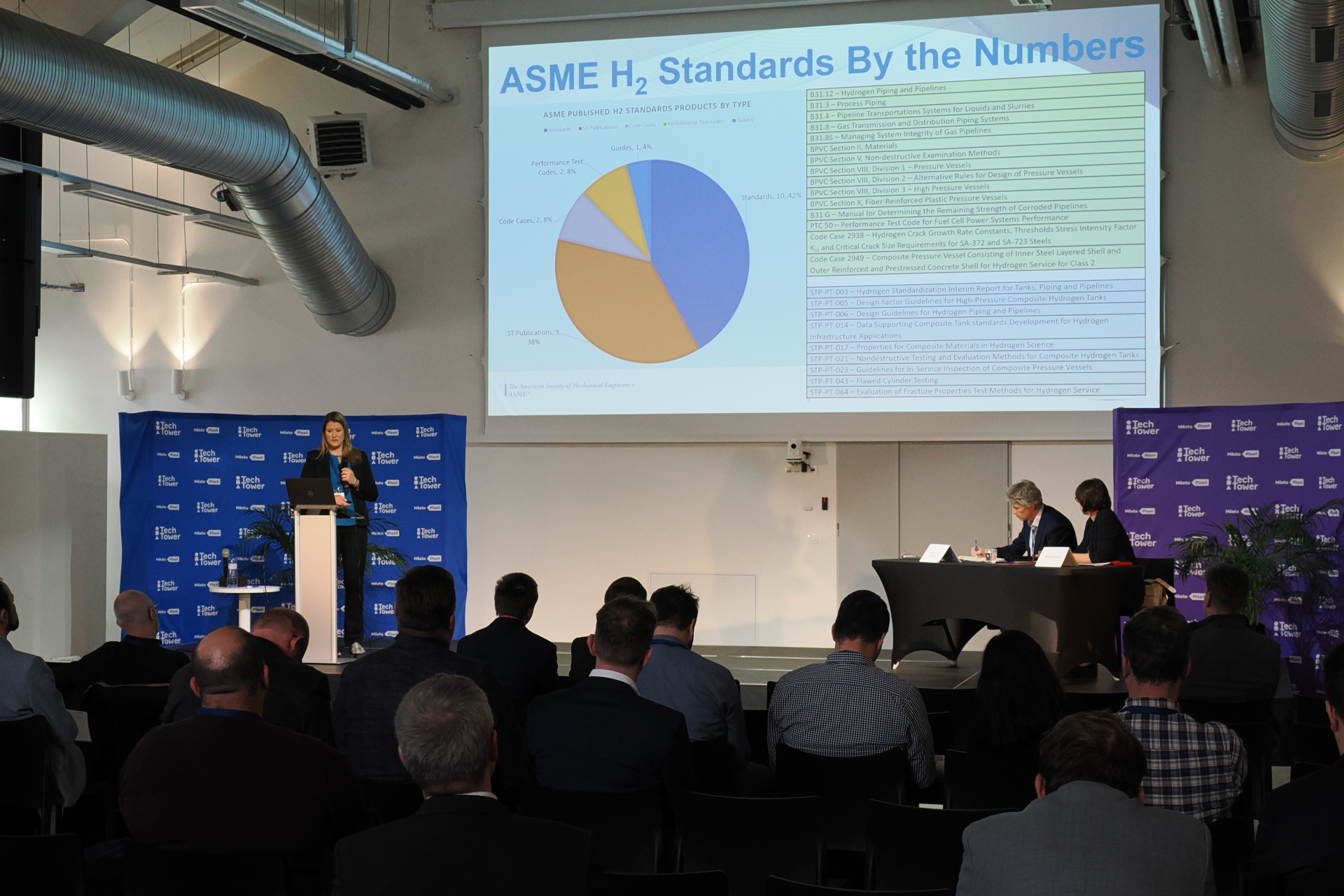
With presentation: Hydrogen Ecosystem Codes and Standards; ASME’s Role in the H2 Value Chain
Abstract: As the global transition to clean energy accelerates, hydrogen has emerged as a pivotal solution in achieving decarbonization goals across industries. However, the widespread adoption of hydrogen technologies hinges on the development and harmonization of robust codes and standards that ensure safety, reliability, and interoperability throughout the entire hydrogen value chain. ASME’s role in shaping the hydrogen ecosystem through its codes and standards development aims to address key challenges in production, storage, transportation, and utilization. Ongoing efforts to adapt existing standards and create new guidelines that support the safe deployment of hydrogen infrastructure while fostering global alignment will be discussed and insights provided into the evolving collaborative industry initiatives and future opportunities to contribute to ASME’s vision for enabling a scalable and sustainable hydrogen economy will be highlighted.
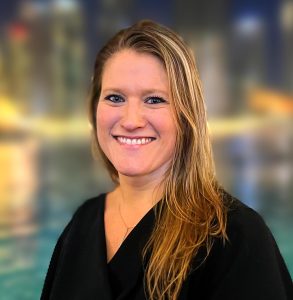
Ally Byk is the Director of Pressure Technology Codes and Standards at the American Society of Mechanical Engineers (ASME), where she has been a key leader for over 17 years. With extensive experience in engineering standards development, committee administration, and technical program management, Ally plays a critical role in shaping ASME’s globally recognized codes and standards for pressure technology.
In her role, Ally oversees the development and maintenance of ASME’s Pressure Technology Codes and Standards, such as the Boiler and Pressure Vessel Code, working closely with a diverse network of industry experts, regulatory bodies, and stakeholders to ensure the continued integrity, safety, and innovation of engineering standards worldwide. Ally is a strategic thinker with a strong commitment to operational excellence, business acumen, and fostering collaboration among volunteers and staff. She actively contributes to policy discussions, including emerging topics such as Hydrogen, and has been a driving force behind initiatives to modernize ASME’s approach to technical committee engagement.
A respected voice in the industry, Ally brings a deep understanding of ASME’s mission, structure, and the evolving landscape of engineering codes and standards. She is passionate about mentorship, continuous improvement, and ensuring that ASME remains at the forefront of global engineering excellence.
 Veronika Vohlídková
Member of the Board & Executive Director, HYTEP, Czech hydrogen technological platform, Hlavní 130, 250 68 Husinec Řež, Czech republic
With presentation: Czech hydrogen ecosystem: current state and future challenges
Abstract: In August 2024, the Czech Republic approved an update to its national hydrogen strategy. As an EU member state, the Czech Republic is obliged to use renewable hydrogen under various EU regulations, directives and strategies. The sanctions imposed on Russia and the supply of Russian energy raw resources are leading the Czech Republic to look for new ways to establish energy security. The use of hydrogen is a way of both ensuring decarbonisation and strengthening energy security. The aim is to present the current stage of development of the Czech hydrogen ecosystem (production, consumption, transportation, infrastructure, legislation) and what will be the biggest challenges facing the emerging hydrogen economy in the Czech Republic in the next decade.
Veronika Vohlídková graduated in International Trade with a specialization in Financial Management from the Faculty of International Relations at the University of Economics in Prague. Between 2011 and 2016, she accumulated work experience at ČEZ, a.s., focusing on the European agenda, particularly financial legislation and regulation. Following this, from 2016 to 2018, she worked as a senior specialist for regulatory affairs at NET4GAS, a.s.
From November 2018 to February 2023, she held the position of Director of the Legislation and Strategy Department at the Czech Gas Association. Additionally, from June 2022, she concurrently served as Acting Executive Director. In these roles, she played a pivotal part in shaping the legislative landscape of the gas sector and overseeing the transformation of the ČPS itself. Concurrently, since November 2019 to date, she has been a Member of the Board of Directors of the Czech Hydrogen Technology Platform. From April 2023, she assumed the position of Acting Executive Director, and as of January 2024, she has been appointed to the role of Executive Director.
Her expertise and dedication to her work establish her as an outstanding professional with a profound comprehension of the intricate challenges of contemporary business, as well as the strategic facets of management and legislation at both European and national levels.
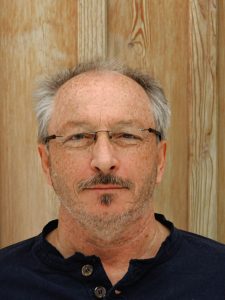 Gerhard Meindl
SWW Wunsiedel GmbH / Es-geht! Energiesysteme GmbH, Eichenstr. 48, 84066 Mallersdorf, Germany
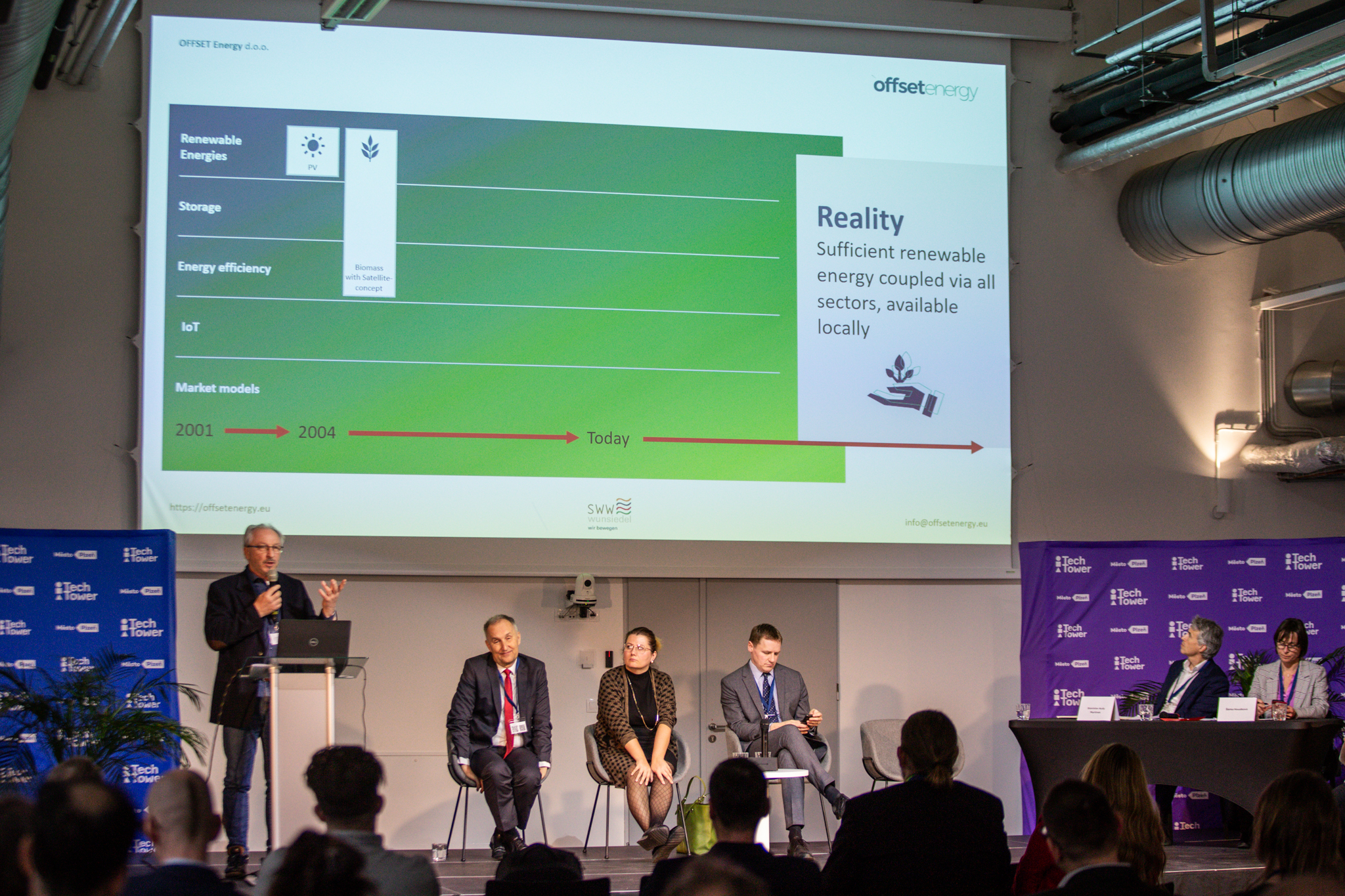
With presentation: „H2LEC concept – The power plant of the future (Zukunftskraftwerk)“ and more
Abstract A Local energy community (LEC) is a vertically nested system in energy supply and and ecosystem with joint values and objectives. An H2LEC – Local energy community with integrated hydrogen systems – represents the carrier of dispersed energy and hydrogen production as a complement of concentrated energy and hydrogen production.
Local dispersed renewable production and storage play a crucial role in affordability and security of supply. Multi-stakeholder optimization, steering and management toolset, coupled with win-win-win business models, ensure benefits for all H2LEC stakeholders – from system operators to prosumers both locally and regionally.
Gerhard Meindl has worked for many years as a senior consultant and project manager for research and development at various energy supply companies. At SWW, he is responsible for the following specialist areas: Research and development of future energy and mobility systems for the utilisation of renewable energy sources; system studies on grid stability, grid expansion requirements and the integration of innovative components and system control, incl. e-mobility; consideration of regional supply and mobility concepts through to the overall European system.
In addition he is founder of Es-geht! Energiesysteme GmbH and working as a business developer in the company.
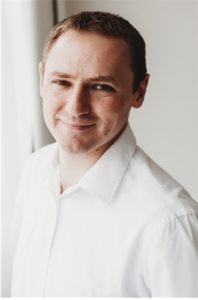 Karel Tichý
Economic and Social Council of the Ústí nad Labem Region, tř. Budovatelů 2532, 434 37 Most, Czech republic
With presentation: Practical Experiences from the Development Process of the Hydrogen Ecosystem in the Ústí Region
Abstract: The presentation will focus on practical experiences gained during the development of the hydrogen ecosystem in the Ústí Region, with an emphasis on its role in the just transition process. It will address the creation of the hydrogen value chain, from supporting research and development to production, infrastructure, and its application in industry and transportation. Attention will be given not only to successes and opportunities for further development but also to identifying obstacles in legislative, financial, and technological areas. The aim of the presentation is to encourage the sharing of experiences and the search for solutions that could support the development of hydrogen projects in other regions.
Karel Tichý is a professional consultant with extensive experience in areas such as regional development (topics of coal regions, just transition, restructuring activities, business development and innovation), public administration and preparation, implementation and evaluation of European funds projects. Between 2016 and 2020, he was part of the national team preparing and implementing the Strategy of Economic Restructuring of the Ústí, Moravian-Silesian and Karlovy Vary Regions (RE:START Strategy). Through his current position as project manager of the Economic and Social Council of the Ústí Region, he actively participates in the processes related to the preparation and implementation of the Just Transition Mechanism in the Czech Republic and in supporting activities to deepen the cooperation of coal regions in Central Europe in various areas. He also acts as a Developer of strategic projects in the field of hydrogen in the Ústí Region. He participates in the activities of the Hydrogen Platform of the Ústí Region and is a member of the working group for the support of the hydrogen ecosystem in structurally disadvantaged regions.
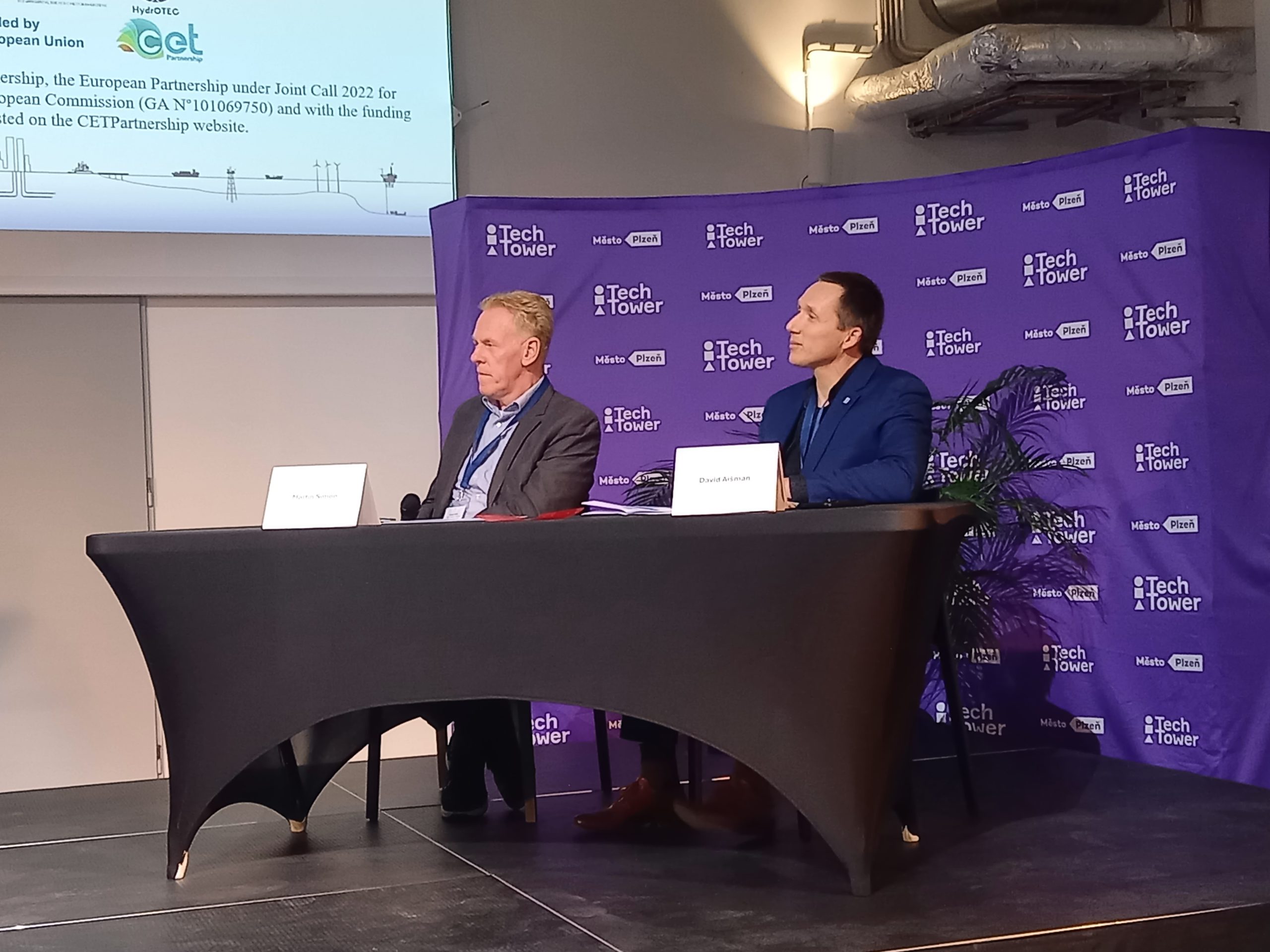
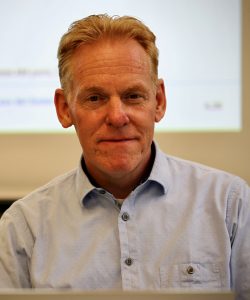 Martin Simon
University of Applied Sciences Karlsruhe, Faculty of Mechanical Engineering and Mechatronics, Moltkestr. 30, 76133 Karlsruhe, Germany
With presentation: „3D Insights in Electrochemical Energy Research: Advanced CT Imaging of Fuel Cells and Electrolyzers“
Abstract: Advanced computed tomography (CT) scanning demonstrates significant potential for enhancing electrochemical components such as fuel cells and electrolyzers in future energy systems. This non-destructive imaging technique provides high-resolution, three-dimensional insights into the internal structure and material properties of these devices. By capturing 3D images, advanced CT scanning supports the identification of defects, porosity, and structural inhomogeneities in electrodes, membranes assemblies and flow channels. Advanced X-ray techniques allow researchers to visualize dynamic processes, such as gas-liquid interactions enabling the optimization of performance, durability, and efficiency.
Prof. Dr.-Ing Martin Simon brings over 20 years of industrial experience in the development of mechatronic systems. He is a pioneer in industrial 3D computed tomography, having played a leading role in the development of 3D microtomography systems. Currently, he serves as a Professor of Mechatronic Systems Engineering at the University of Applied Sciences Karlsruhe, where he leads a research group focused on innovative CT systems and AI-based image processing.
 Benjamin Witzel
Siemens Energy, Mülheim and der Ruhr, Nordrhein-Westfalen, Germany
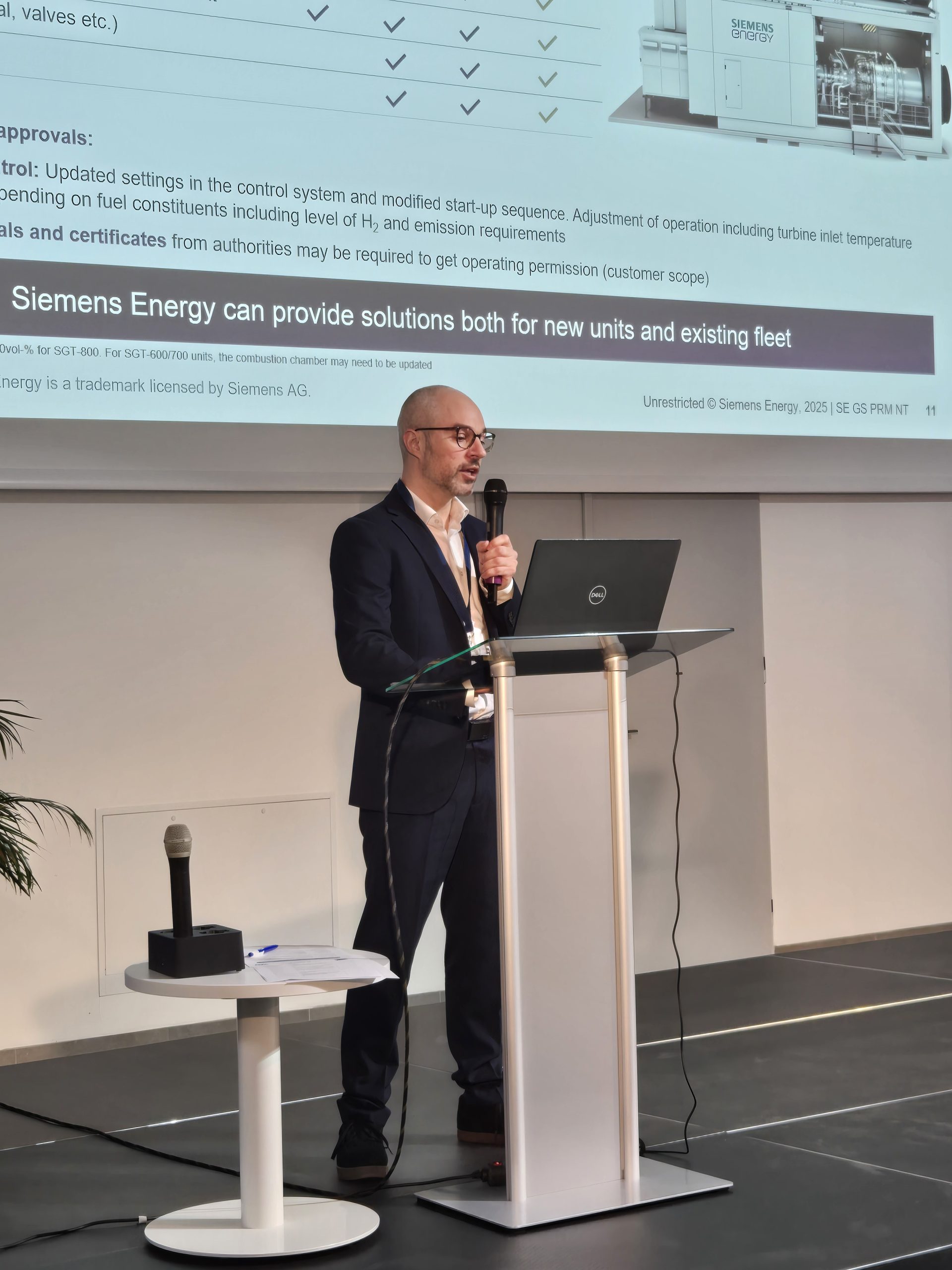
With presentation: Decarbonization Pathways for Gas Turbine Power Plants – Focus on Hydrogen
Abstract: Securing power supply in an energy system with an increasing share of volatile renewable energies requires dispatchable power plant capacity to compensate for dark doldrums. Gas turbines are particularly suitable for this purpose due to their fast availability and high operational flexibility. To achieve the politically agreed climate targets, these power plants must also be able to be operated in a CO2-neutral manner in the future. The most likely way for gas turbine power plants to achieve this is by replacing natural gas as a fuel by sustainable hydrogen. Alternative options include other sustainable fuels such as HVO, methanol or ammonia, but also carbon capture. This presentation gives an overview of the current state of development of the various decarbonization paths, including important reference projects, compares the respective advantages and disadvantages and names the current biggest hurdles in their implementation.
Benjamin Witzel has a PhD in mechanical engineering in the field of applying advanced measurement methods to gas turbine combustion systems. Working for Siemens Energy since 2013, benjamin was the technical lead for the development of various combustion systems, including the latest system for the SGTX-9000HL as well as a new combustion technology for 100% H2 DLE combustion. Since October 2022, Benjamin is the Head of Fuel Flexibility, Hydrogen and Carbon Capture for Siemens Energy’s Gas Services portfolio. Since May 2022, Benjamin also is the chairman of the German joint turbomachinery research network AG Turbo.
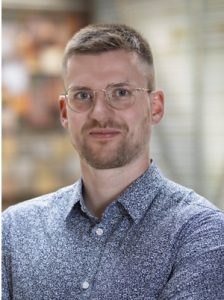 Frederik Wewetzer
HZwo e. V., Reichenhainer Straße 70, 09126 Chemnitz, Germany
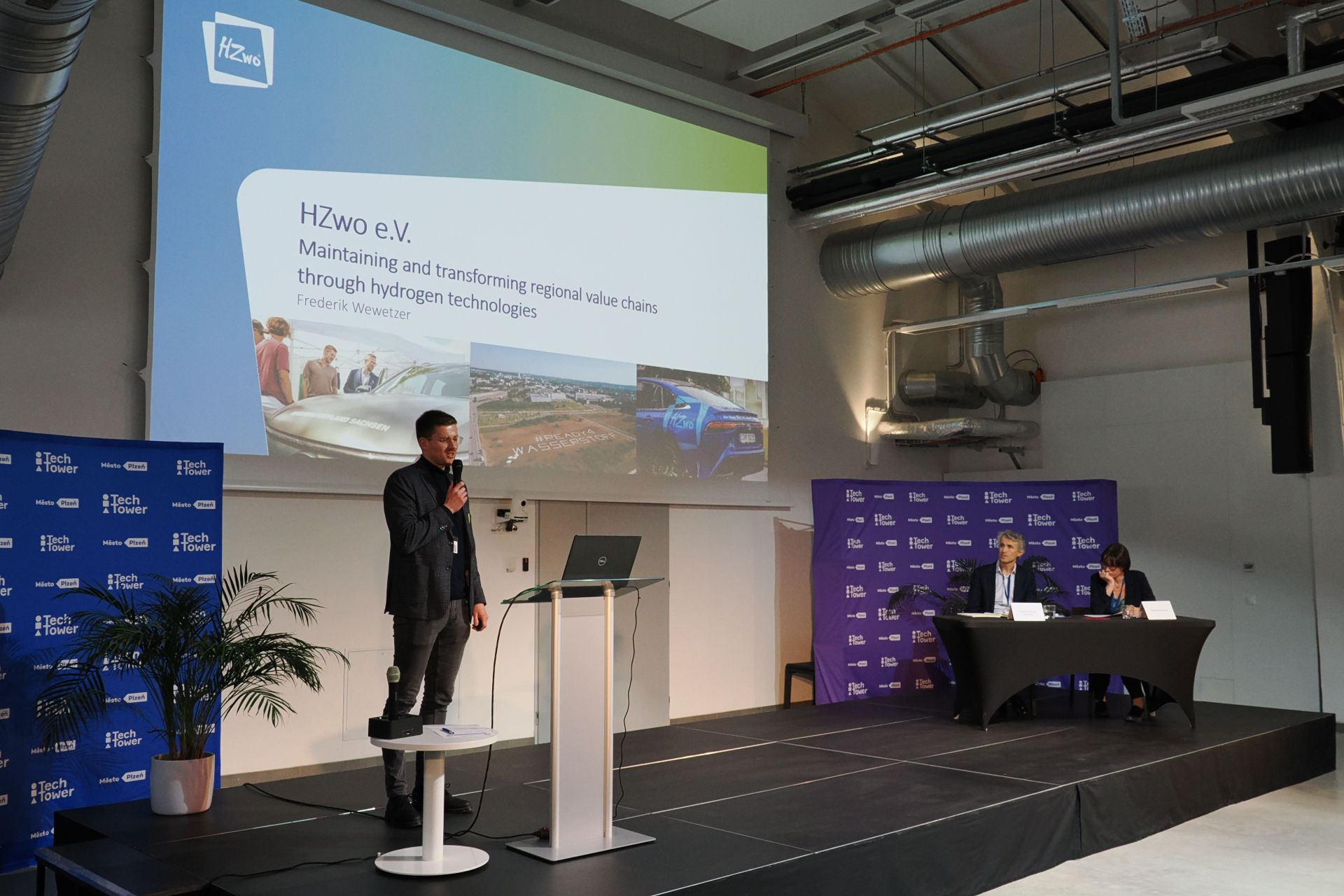
With presentation: Maintaining and transforming regional value chains through hydrogen technologies
Abstract: European, especially German, value chains are still heavily dependent on the automotive industry. This goes hand in hand with a great deal of process expertise, which ultimately “only” needs to be transferred to new products and market segments in the course of the mobility transition. However, the barriers to entry are high, especially for the suppliers that characterize this industrial sector. Commercial fuel cell or electrolysis stacks are expensive, cannot be modified and are often only accessible as part of contract development with hard NDAs. In this presentation, a solution to this dilemma will be presented, that benefits both the suppliers, who can expand their product portfolio independently, and the OEMs, who can procure reliable components and subsystems without having to disclose their own knowledge.
After graduating from the TU Bergakademie Freiberg with a master‘s degree in materials engineering, Frederik Wewetzer initially worked for the still heavily ICE-oriented, German automotive supplier industry. In accordance with his academic background, he was responsible for materials and supplier development before being appointed to Business Development with focus on hydrogen and smart materials at the end of 2019. To be able to devote himself full-time to alternative drives and mobility concepts, Frederik Wewetzer moved to the National Organisation Hydrogen and Fuel Cell Technology (NOW GmbH) in April 2022 and was responsible for the Hydrogen Innovation and Technology Centre as well as R&D projects regarding alternative drives in rail transport within the framework of NIP II funding program. In October 2023, he joined HZwo e.V. as Technical Advisor for the Saxon Hydrogen Competence Center, operating as the central point of contact for citizens, local authorities, the media, industry and science for all questions relating to hydrogen production, transport, storage and application.
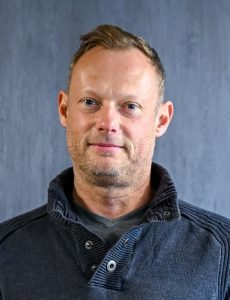 Alexandr Lužný
GasNet, s.r.o., Klíšská 940/96, Ústí nad Labem, Czech Republic
With presentation: Polygon Hranice u Aše and Gas Polygon Pardubice
Abstract:
Polygon Hranice u Aše: An Innovative Project Focused on the Distribution of a Natural Gas and Hydrogen Blend
In Hranice u Aše, located in the Karlovy Vary Region, GasNet will distribute a blend of natural gas and up to 20% hydrogen produced from renewable sources. This project plays a crucial role in the transition to low-emission and zero-emission gases, including local hydrogen production through electrolysis. The polygon will serve as a platform for validating new technologies and procedures to ensure the safe operation of the network with a hydrogen blend.
Gas Polygon Pardubice: The First Gas Polygon in the Czech Republic
The Gas Polygon Pardubice aims to contribute to the successful transition to alternative gases and to enhance the safety of gas network operations. This facility will test components of the gas infrastructure and gas appliances for compatibility with hydrogen and its blends with natural gas. The project is divided into phases, including testing with compressed air, natural gas, blends of natural gas and hydrogen, and 100% pure hydrogen. Additionally, the Polygon Pardubice will establish a hydrogen innovation center to support the Czech gas industry’s development.
Alexandr Lužný is an expert with over 20 years of experience in industrial gases, innovative technologies, and project management. Since 2023, he has been serving as Head of Innovation Projects at GasNet Služby, leading a team of project and program managers focused on innovation. From 2021 to 2023, he worked as Business Development Manager at GasNet, s.r.o., managing projects aimed at innovation, reducing carbon footprints, increasing efficiency, and exploring new business opportunities, such as LNG.
Between 2014 and 2021, he held the position of Technical Manager for Central Europe at Air Products, where he was responsible for the technical aspects of project engineering and the development of hydrogen technologies, including production, distribution, storage, and hydrogen refueling. He has experience operating hydrogen production and distribution facilities at Chemopetrol Litvínov and developing hydrogen mobility. Previously, he held various technical and managerial roles in the Czech Republic and the Netherlands, including project and customer engineering management.
Alexandr is an experienced leader who combines technical expertise, an innovative approach, and strategic thinking. His experience includes the development and implementation of technologies focused on sustainability, increasing efficiency, and developing new markets.
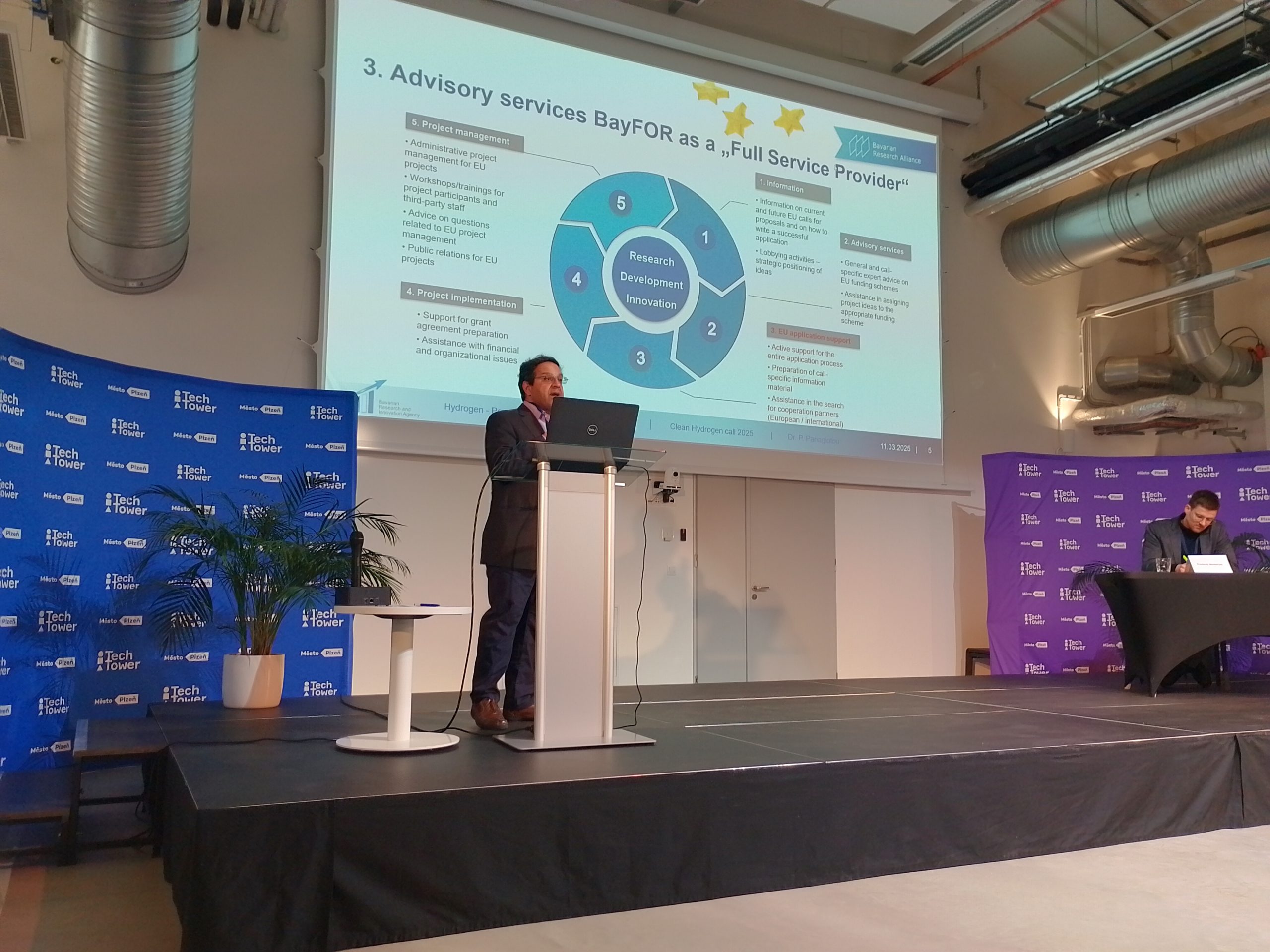
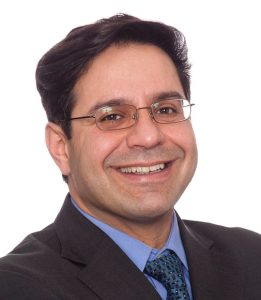 Panteleimon Panagiotou
Bavarian Research alliance (BayFOR), Prinzregentenstrasse 52, Munich, Germany
With presentation: Clean HYDROGEN – EU funding: opportunities for Europe to come together
Abstract: On 15. Jan 2025 Clean Hydrogen EU-Partnership publicated the actual 19 topics on Hydrogen with an indicative budget of 184.5 mio € in the following area:
– Renewable Hydrogen Production
– Hydrogen Storage and Distribution
– Transport
– Heat and Power
– Cross-cutting
– Hydrogen Valleys
The single stage deadline for proposal will be 23. april 2025.
For more info on the actual topics, see here: https://www.clean-hydrogen.europa.eu/call-proposals-2025-open_en
The Bavarian Research Alliance will present its services for supporting for proposal, building EU consortia, as well as on CLEAN HYDROGEN Topics 2025, during the talk.
Dr. Panagiotou studied Chemistry at the University of Bayreuth and as research fellow at CNRS in Lyon completing his studies with a diploma thesis in physical chemistry at University of Bayreuth. He performed his doctoral degree at Technische Universität München as research fellow at DESY in Hamburg, at ESRF & at ILL in Grenoble on neutron & synchrotron scattering.
Since 2007, Dr. Panagiotou is the Head of Unit of ICT | Engineering & Natural Sciences at the Bavarian state-funded support agency “Bavarian Research Alliance” (BayFOR) for supporting Bavarian stakeholders and their international consortium partners in obtaining information and advice in applying for EU funding to help shape the European Research Area.
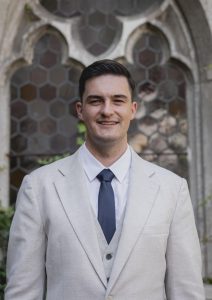 Jeremy Weindler
East Bavarian Technical University of Applied Science Regensburg, Seybothstraße 2, 93053, Regensburg, Germany
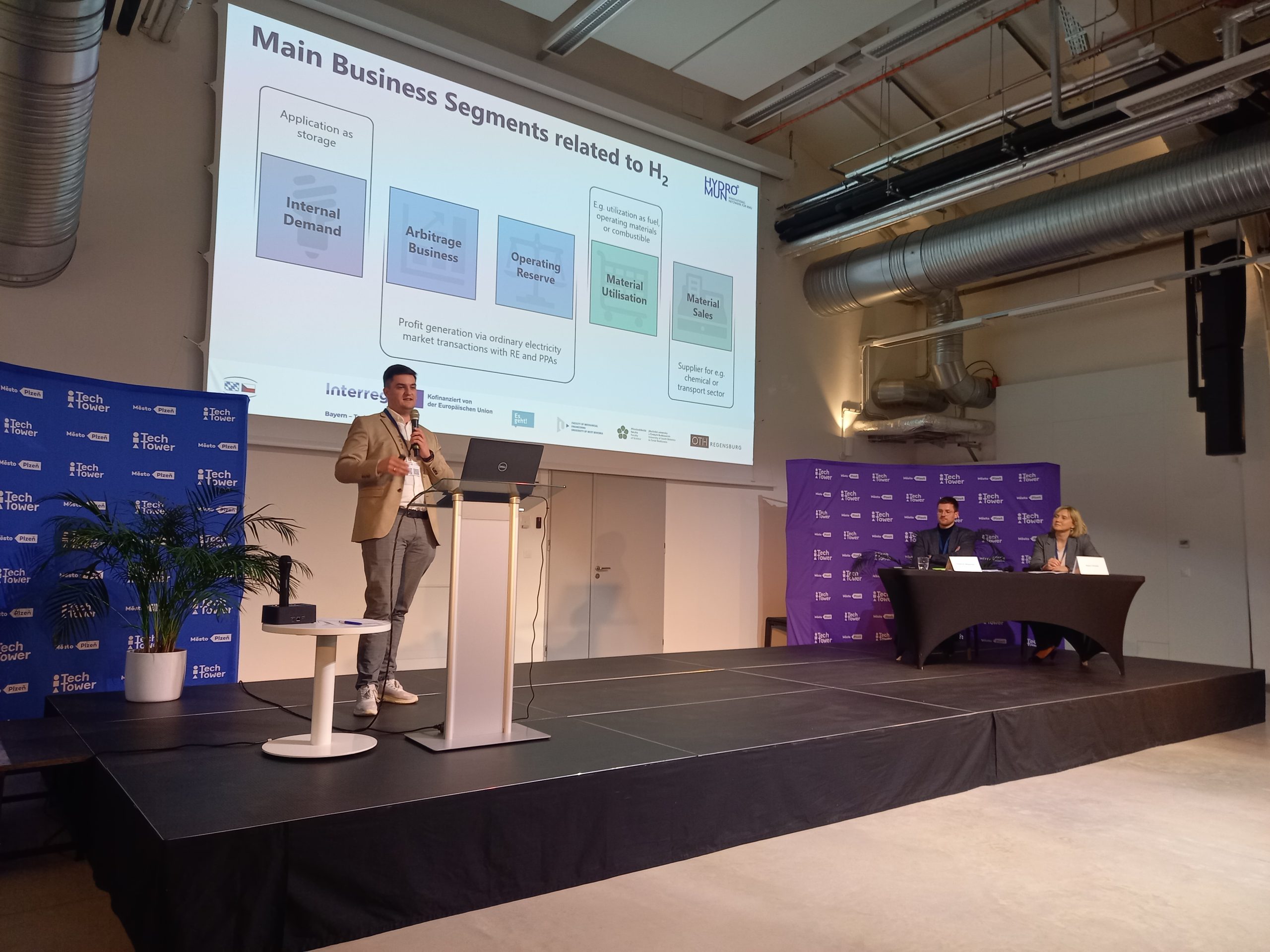
With presentation: HYDROMUN SME Innvoation Network – From Vision to Realization – Hydrogen Systems in SMEs
Abstract: As part of the transition to a renewable energy supply, the integration of hydrogen technology is an emerging topic with high social priority. However, there is a severe lack to precise techno-economical information, a situation which particularly affects small and medium-sized enterprises (SMEs). The main objective of HYDROMUN is to establish a regional network for the effective transfer of know-how and to support the members in their specific inquiries concerning the realization of hydrogen-based targeted projects. In the HYDROMUN network, innovative partners from the hydrogen industry will be linked to KMU-partners, who are interested in transforming their energy supply to green hydrogen. These activities are accompanied by a three-level event concept consisting of interregional network conferences, regional workshops and direct consulting opportunities for partner companies in Bavaria and the Czech Republic.
Through the integration of real data obtained from pilot plants and their integration into a validated techno-economic design and optimization tool for sustainable energy and hydrogen systems, we aim at offering a more reliable consulting for the concrete implementation of future hydrogen projects.
Jeremy Weindler is a research assistant and PhD student at the East Bavarian Technical University of Applied Sciences in Regensburg with a focus on techno-economic engineering and optimisation of sustainable energy and hydrogen systems. He has got his B.Sc. study in the field of renewable energies and energy efficiency and completed his Master of Science in the field of sector coupling within the framework of a Master study of Applied Research. In his Master thesis, he developed a technical implementation of a novel power-to-heat technology for the integration of green electricity into heat for application in buildings and was honoured for this work by the Joseph Stanglmeier Foundation with a special award for innovation. He is currently involved in the HDROMUN network and is supporting the associated activities to develop a validated techno-economic design tool for the engineering and implementation of concrete energy and hydrogen projects based on the evaluation and processing of real data from hydrogen pilot plants of various partners.